Diffusion Models for Human-Robot Interaction: A Systematic Review
Ziyi Chang, Yueyue Hou, Jiannan Li, Ruochen Li, Junyan Hu, Effie Lai-Chong Law, Amir Atapour-Abarghouei and Hubert P. H. Shum
Preprint, 2026
Abstract
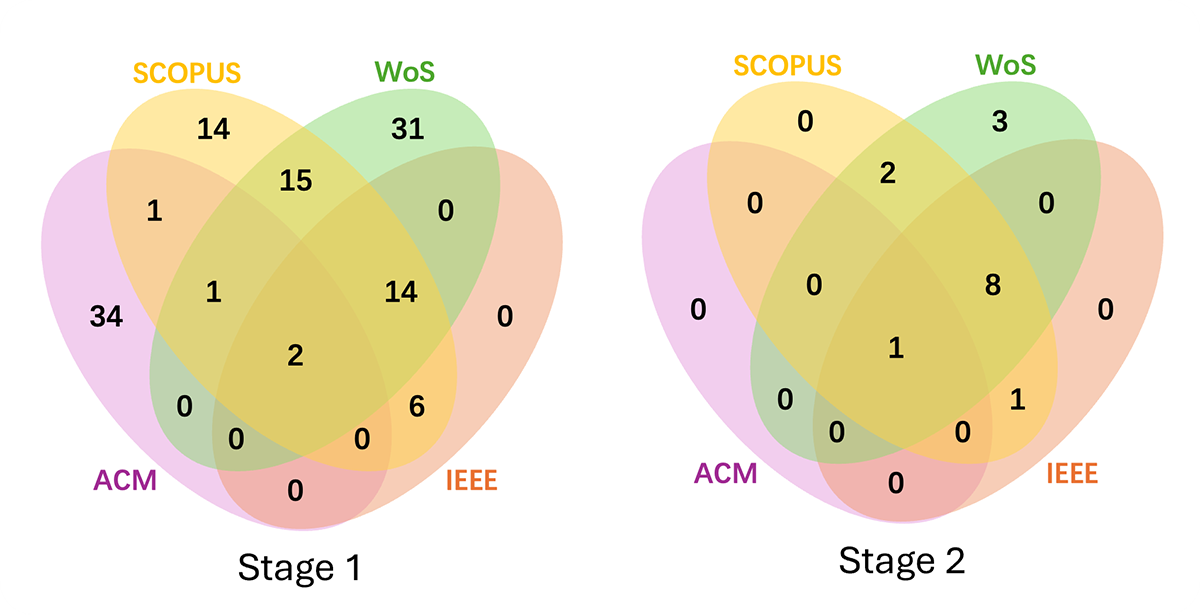
Human-robot interaction involves complex, uncertain, and multimodal contexts that challenge conventional modelling approaches. Recent research has increasingly explored the application of diffusion models in human-robot interaction. However, a consolidated overview of how these models are integrated into HRI research and evaluated in interactive contexts remains lacking. This paper presents a PRISMA-guided systematic literature review of diffusion-based approaches in HRI. We searched Scopus, Web of Science, IEEE Xplore, and the ACM Digital Library for studies published up to 20 December 2025. After screening, 15 peer-reviewed studies were retained for analysis. The review synthesises application domains, diffusion model variants, evaluation practices, and reported benefits and limitations. Prior work is largely dominated by denoising diffusion probabilistic model adaptations used as probabilistic forecasters of human motion or interaction-relevant states. We further discuss key limitations and open challenges, outlining directions for future research in data efficiency, generalisation, human-centred evaluation, and uncertainty-aware interaction design.


Cite This Research
Related Research

